Stock available today in 3″ – 16″, ANSI 150# – 600 Four-Way Diverter
Valve
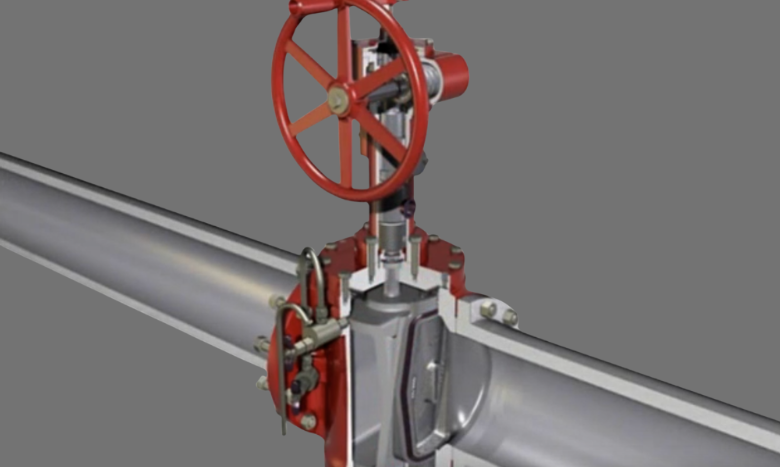
The GENERAL VALVE Four-Way diverter valve does not rely on line pressure
or external hydraulic pressure for positive sealing. The seating
elements, or slips, move perpendicularly against the face of the ports.
The seals themselves are highly resilient elastomers that are either
bonded or mechanically retained in the slips. Retraction of the slips
away from the body prior to cycling prevents friction and abrasion,
which can damage seals. There is never any sliding or rubbing of the
seals against the valve body or ports. Metal-to-metal secondary seating
prevents overcompression of the resilient primary seal. Mechanical
retraction and compression ensures no-leak stream separation and longer
life.

Stock available today in 2" – 36", ANSI 150# – 900 Carrying T101 & T24 models with Low Alloy & T24 Stainless Steel
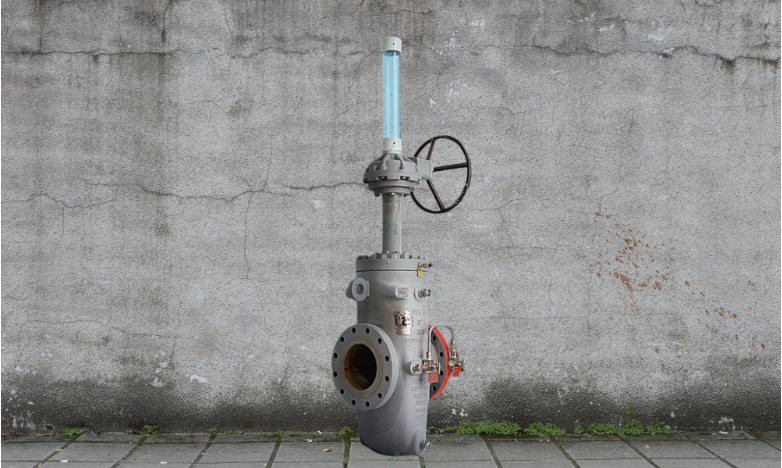
Through-conduit slab gate valve with floating dual seats
The Cameron WKM Saf-T-Seal slab gate valve is a simple, yet rugged and dependable through-conduit design. Two floating seats, each with a metal seat face and peripheral seal, provide a complete, bi-directional seal against the gate. The full-bore port produces the same pressure drop as an equivalent length of pipe and accommodates all standard pipeline scrapers (pigs), ensuring efficient flow and maintenance operations.
The through-conduit construction shields the seat faces from the flow stream, maintains a smooth uninterrupted conduit, and enables true block-and-bleed functionality—benefits that translate into reliable sealing and extended service life across a wide range of applications.

Stock available today in 2" – 36", ANSI 150# – 900 mCarrying T101 & T24 models with Low Alloy & T24 Stainless Steel Through-Conduit Parallel Expanding Gate Valve
The WKM Pow-R-Seal expanding gate valve delivers reliable, bi-directional shut-off in demanding pipeline and station service. Its parallel expanding gate/segment assembly achieves a mechanical seal that is independent of line pressure, while the full-bore flow path minimises pressure drop. Nickel-plated sealing surfaces and robust construction provide long service life in abrasive and high-cycle applications.
The stem seal is completely contained within the bonnet and supported by bearings that centralise the stem; a nickel-plated stem is standard. The self-adjusting seal does not rely on plastic packing, and its PTFE compound resists virtually all loadings. A pedestal supports the seal and functions as a stem scraper. Valves 6" to 24" (150 mm to 600 mm) in Class 300 to 900 are fire-tested to API 6FA 3rd Edition.

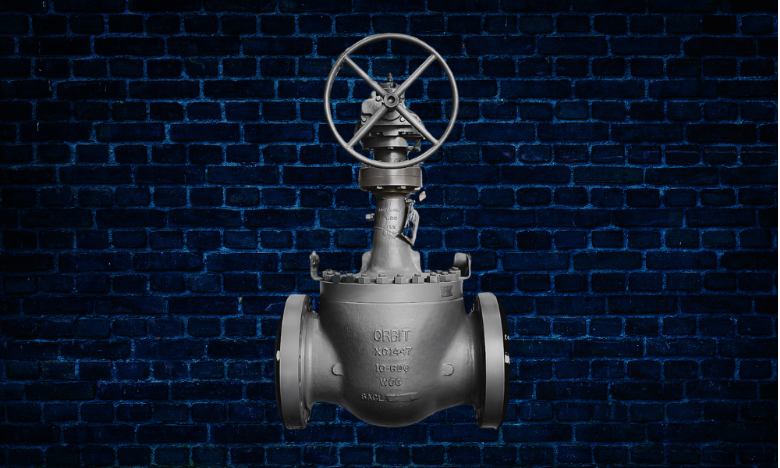
Not all valves are created equal. Only ORBIT Low-E valves incorporate new
sealing elements that have earned certification to ISO 15848 Tightness
Class AH and API Standard 622 for both high- and low-temperature
applications. By integrating advanced graphite-based technology with the
proven ORBIT valve tilt-and-turn operation, ORBIT Low-E valves set a new
benchmark for fugitive emissions (FE) performance at temperature extremes
while increasing valve life even under dynamic cycling conditions.

Stock available today in 2" – 36", ANSI 150# – 900# The Largest Double Block and Bleed Valve Inventory in the world Massive Parts Inventory Available for Overnight Delivery
Introduced in 1941, GENERAL VALVE Twin Seal plug valves, also known as Double Block and Bleed Valves, were the first to meet the rigid requirements of double block-and-bleed service. In the years since, subtle yet significant design refinements have further improved valve performance. Superior design innovations, pride in manufacturing workmanship, and selection of the best materials support our commitment to excellence and customer satisfaction.
In meter block service, the differential pressure across each closed valve is very low. No assistance is required from the line pressure to energize or compress floating seals to make them hold tight. The seals typically rely on springs to press them against the ball unless the body cavity in a ball valve is vented. The ball valve may be leaking until the user opens the bleed. Then, the reduction of the body pressure introduces a hydraulic force on the seat that may stop the leak. The user can form a false impression that the ball valve is holding tight, when in reality, it leaks. In contrast, the mechanical wedge action of the valve plug compresses both the upstream and the downstream seals firmly against the valve body, needing no help from the line pressure.